
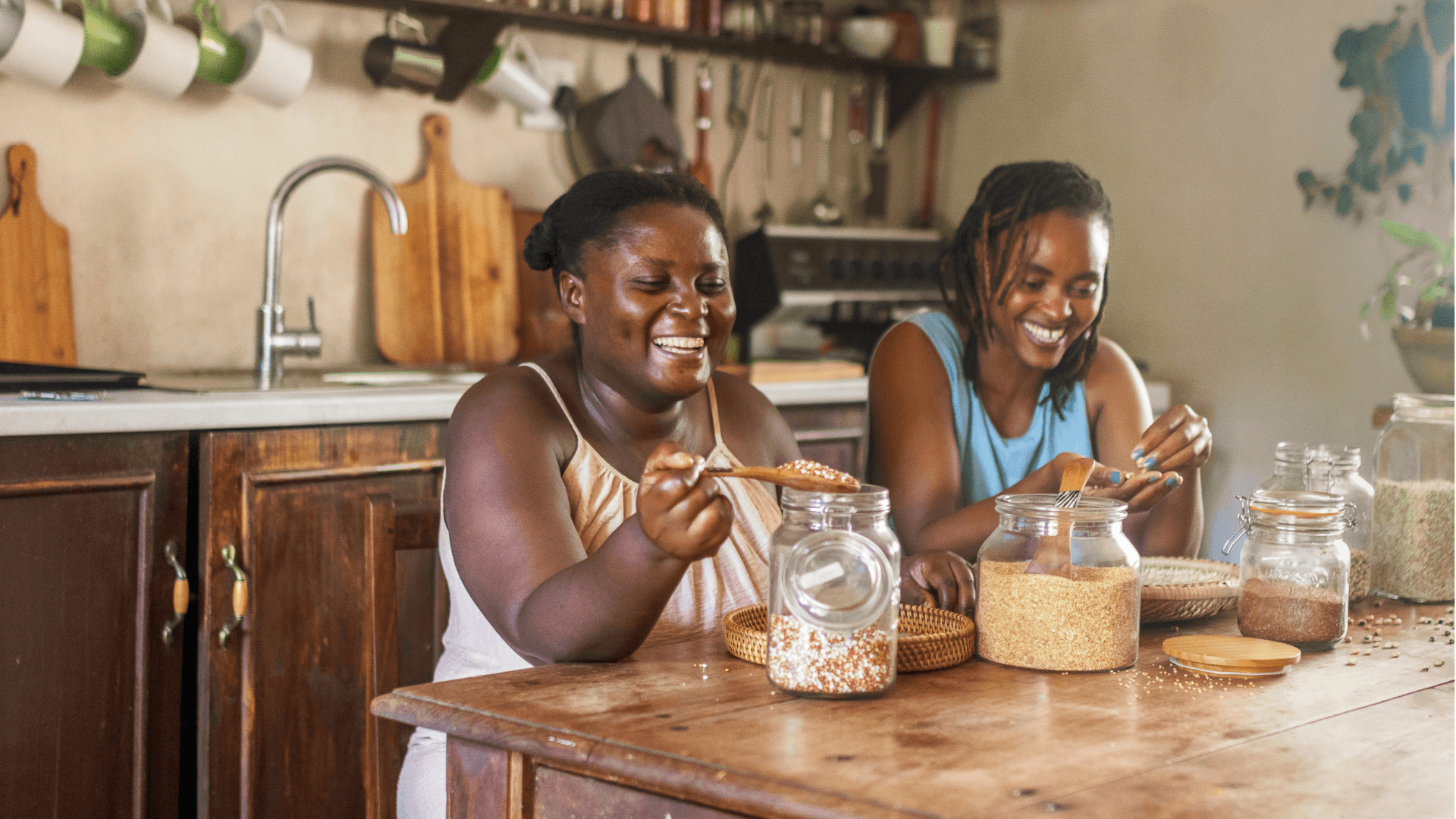
Open the kitchen cupboard. Look past the things you reach for every day. There is the bag of flour folded over because the clip disappeared months ago. A jar of spice bought for that one recipe. There’s a tin pushed to the back because nobody quite remembers what it was bought for.
Then there are the ingredients that never seem to run out. When the rice runs low, somebody notices. When the oil is nearly finished, it goes on the shopping list. Salt is replaced before the container is empty, and tea somehow never disappears completely. No one holds a family meeting to decide these things. They become part of the rhythm of the household.
Bought, cooked, finished, replaced… again and again.
We rarely stop to think about what earns an ingredient that kind of permanence, but maybe we should. Without meaning to, every household is deciding which ingredients are worth keeping close. Which foods become familiar. Which flavours children learn to recognise, and which ingredients someone knows how to turn into dinner without opening a recipe.
A pantry is not just where a household stores food. It is a record of what a household has decided is worth keeping.
If that is true, then building an African pantry might begin with a different question. Instead of asking, what should we buy? Maybe we should ask: What do we want to know how to use?
Start with what you will use
There are thousands of ingredients that could find their way into an African pantry, from sorghum, millet, fonio and teff to cowpeas, bambara beans, cassava flour, dried hibiscus, baobab, moringa and spices from across the continent.
It would be easy to turn building an African pantry into a shopping list. Buy this grain, find that bean, add this flour. But a cupboard full of unfamiliar ingredients does not necessarily make a useful pantry.
Remember the jar of spice from the beginning? That is exactly what we are trying to avoid. Instead, start with the way you already eat. If porridge is part of breakfast, perhaps that is where sorghum, millet or teff first finds a place. If beans regularly make their way onto the table, try a variety you have never cooked before. And if you make tea or other drinks throughout the week, dried hibiscus or baobab could be an easy place to begin.
Choose ingredients that fit naturally into the way you cook, alongside one or two that invite you to cook differently. The goal is not to suddenly make the pantry look more African. It is to make African ingredients useful enough that they earn a permanent place in it. And that happens one ingredient at a time.
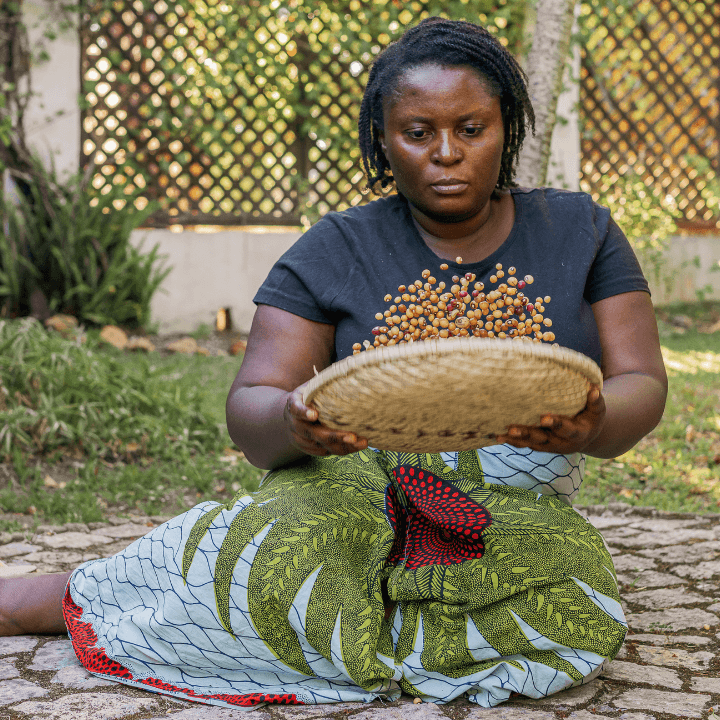
Jane bambara beans Tamu A Journey Through Africa’s Plant Based Cuisine

Tamu A Journey Through Africa’s Plant Based Cuisine 1
Build it in layers
Once you have decided to start small, think about building the pantry in layers.
Layer one: Something to anchor the meal
Begin with something that can form the foundation of a meal. This might be millet, teff or fonio. They can become porridge in the morning, sit beneath a stew at dinner or be ground into flour for something entirely different.
Layer two: Something substantial
Next, add something that can turn those foundations into a more substantial meal. Cowpeas, Bambara beans and other dried beans can be cooked slowly with tomatoes and onions, tossed through a salad, mashed into fritters or blended into a dip.
Layer three: Something that brings flavour
Then make room for the ingredients that change everything around them. A spoonful of baobab can bring tartness to drinks, yoghurt, porridge or baking. Dried hibiscus can become tea, cordial, syrup or the sharp, floral beginning of a dressing. Moringa brings something greener and earthier to the pantry.
Then there is the spice shelf. This is where the pantry begins to develop its own personality. Two households might keep the same sorghum, beans and flour on their shelves and still cook food that tastes completely different.
The difference may be in the dried bird’s eye chillies, the spices reached for without measuring, the jar of berbere or suya spice, or the blend made at home that does not have an official name but somehow finds its way into everything.
You can make your own, too. Fresh herbs can be combined with garlic, onion and spices, then dried and stored for later. Over time, a homemade blend can become a signature of the kitchen: the jar everyone reaches for because food somehow does not taste quite right without it.
Start with the flavours you want your kitchen to be known for.
Layer four: Something that opens up possibilities
Finally, leave room for something that encourages you to cook differently. This might be cassava flour, egusi or dried indigenous greens. Maybe it is a flour you have never baked with, a seed you have never ground or an ingredient from another part of the continent that you have always wanted to understand.
This layer is allowed to be unfamiliar. It is the part of the pantry that leaves a little room for discovery.
So build the pantry in layers: something to anchor the meal, something to make it substantial, something to bring flavour and something that keeps you curious.
You do not need every grain, bean, flour or spice. You just need enough in each layer to begin building a pantry you can actually cook from.
Ask before you leave
Knowing what you want to add to the pantry is one thing. Finding it can be another.
Walk through a market or African grocer and you might find bags of grains stacked against the wall, bundles of dried leaves, beans in varieties you have never cooked before and packets labelled with names you do not recognise. Sometimes the ingredient you are looking for is right in front of you. It just has a different name.
Cowpeas might be familiar as black-eyed peas. sorghum alone carries different names across the continent. The same leaf can cross a border, province or language and arrive with an entirely different name attached to it.
This is where shopping becomes part of the education.
Ask: What do you call this? How do you cook it? What do you eat it with? Do I soak it first? How do I know when it is ready? The person selling the ingredient may tell you something the packet never could. They may tell you that their mother cooked it with groundnuts, that it needs longer in the pot than you expect, or that everybody where they grew up knows it by another name.
There is something important in asking these questions.
Before asking, “what can we make this ingredient become?”, ask “what has it already been? How has it been eaten? Who has been preparing it? What do the people closest to the ingredient already know?”
Sometimes the best way to begin using an unfamiliar ingredient is not by inventing something new at all. It is by listening first. Then, when you do begin experimenting, you are not starting from nothing. You are starting with knowledge.
And that is one of the best things about building an African pantry: you do not have to know everything before you begin. Curiosity can be part of the shopping list, too.
Look beyond the cupboard
Not everything in an African pantry begins on a shelf. Some of it begins fresh: pumpkin leaves, amaranth, sweet potato leaves, fresh herbs and chillies.
So, when building an African pantry, look beyond the dry ingredients you can buy. Think about the greens you can grow, the leaves available at the market, the chillies that can be dried when there are too many, and the herbs that can be used fresh and preserved for later.
For Livhuwani’s parents, pumpkin leaves are part of this rhythm. When the leaves are plentiful, some are eaten fresh while others are dried and stored. Months later, after the fresh harvest has passed, those leaves can still be brought back into the kitchen. The pantry is built, in part, from what is growing around them.
There is another lesson here, too. Sometimes adding more to the pantry begins with seeing more of the ingredient already in front of us. A pumpkin does not only give us the flesh. Its seeds can be roasted and stored, and its leaves can become food, too. With other plants, the roots, leaves, seeds or fruit may each have their own place in the kitchen.
Many African food traditions have understood how to cook beyond the single part of a plant we may be accustomed to buying. So, before deciding that something is waste, ask another question: Is there another part of this plant that people already know how to eat?
The answer may give you another ingredient without adding anything new to the shopping basket. And what begins fresh does not always have to stay fresh. It can be dried, ground, fermented or preserved in ways that allow it to enter the pantry and stay there.
When Abena, from Living the Ancestral Way, brought dawadawa for Jane and Livhuwani, it was another example of this. dawadawa is a traditional West African seasoning made by fermenting African locust bean seeds. Used in soups, stews and sauces, it brings a deep, savoury flavour to food. The dawadawa Abena brought had been moulded and stored, ready to be reached for when it was needed.
So, alongside the grains, beans, flours and spices you buy, consider what you can preserve. What can be dried? What can be fermented? What can be ground? What can be stored now and reached for later?
Your pantry might begin in a garden, on a balcony, at a market stall or with a bunch of leaves handed to you by someone who knows exactly what to do with them.
Not everything in the pantry has to begin on a supermarket shelf. Some of it can begin with what is growing around you.
Make it personal
There is no single African pantry. How could there be?
A pantry built in Limpopo will not necessarily look like one built in Accra, Kigali, Addis Ababa or Marrakech. Even two families living on the same street may stock their shelves differently. What grows nearby matters, as does what a family can afford, what their parents cooked, the languages they speak, the places they have lived, the recipes they inherited and the ingredients they happen to love.
So, the goal is not to build the African pantry. There isn’t one. The goal is to build yours.
Keep ingredients that tell something about where you come from, where you have been or what you want to learn. sorghum might remind you of childhood. There may be a bean you recognise from your grandmother’s kitchen or a spice blend that makes food taste immediately familiar, even before you have taken the first bite.
But not everything in the pantry needs a childhood memory attached to it. Maybe you discovered hibiscus on a trip, tasted baobab for the first time as an adult or found a grain from another part of the continent that you know almost nothing about but want to understand. That belongs, too.
Because building an African pantry does not mean drawing a border around the foods you are already familiar with. There should be room for memory and curiosity. Room for the ingredients you inherited and the ones you are meeting for the first time.
Over time, those choices begin to give the pantry its own personality: the grains you always replace and the beans you know how to cook without thinking; the spice blend that finds its way into everything; the ingredient somebody brought you that you now cannot imagine the shelf without.
Eventually, the pantry begins to tell a story. Not the story of African food. That would be far too big for any cupboard. The story of the person cooking from it.
Let it start a conversation
Eventually, someone else will notice what is on the shelf. Perhaps they are looking for the tea, helping with dinner or simply looking around when something catches their eye.
What’s that?
They point to the jar of bambara beans, the dried hibiscus, the bag of tigernuts or the small piece of dawadawa tucked among the spices. And just like that, the pantry becomes a conversation.
A name is shared, then another name for the same ingredient. Someone explains where it comes from, how it is cooked or why it has earned a permanent place on that particular shelf. One ingredient can become an introduction to a place, a language, a food tradition or a story someone else has never heard before.
This is another way the pantry grows: not by adding another ingredient to the shelf, but by passing on what we have learned about the ones already there.
Remember the jar of spice from the beginning? The one bought for a single recipe and slowly forgotten at the back of the cupboard. Now there is another jar. Someone points to it and asks: What’s that?
This time, you know exactly what to say.
Now, open your cupboard again
If, after all of this, you are still feeling overwhelmed, start with one ingredient. Maybe it is one you grew up eating but have never cooked yourself, one you keep seeing at the market but have never stopped to ask about, or one from another part of the continent that makes you curious.
Give it a place and see what happens. When you finally scrape the last bit from the jar, shake the final grains from the bag or realise there are only enough beans left for one more pot, ask yourself: Is this worth replacing? If the answer is yes, put it back on the shopping list.
An African pantry is built in exactly the same way as the cupboard we opened at the beginning: not by deciding everything that belongs there at once, but slowly.
Bought, cooked, finished, replaced… again and again. Until eventually, what once needed a place in the pantry has earned one.
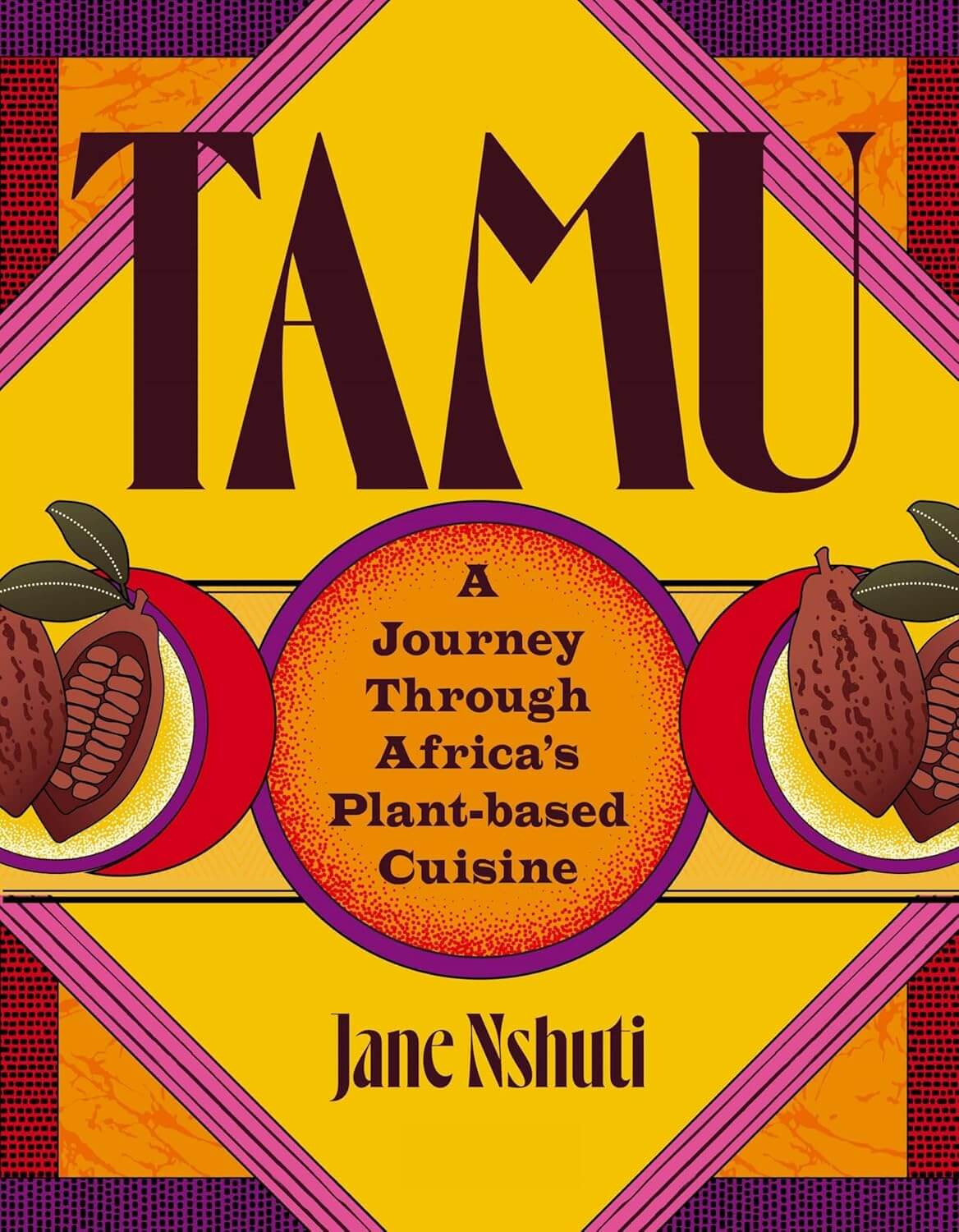
Continue the journey with TAMU
Discover the ingredients, recipes and stories behind this experience in TAMU – a beautiful celebration of African food and flavours from across the continent.
0 Comments