
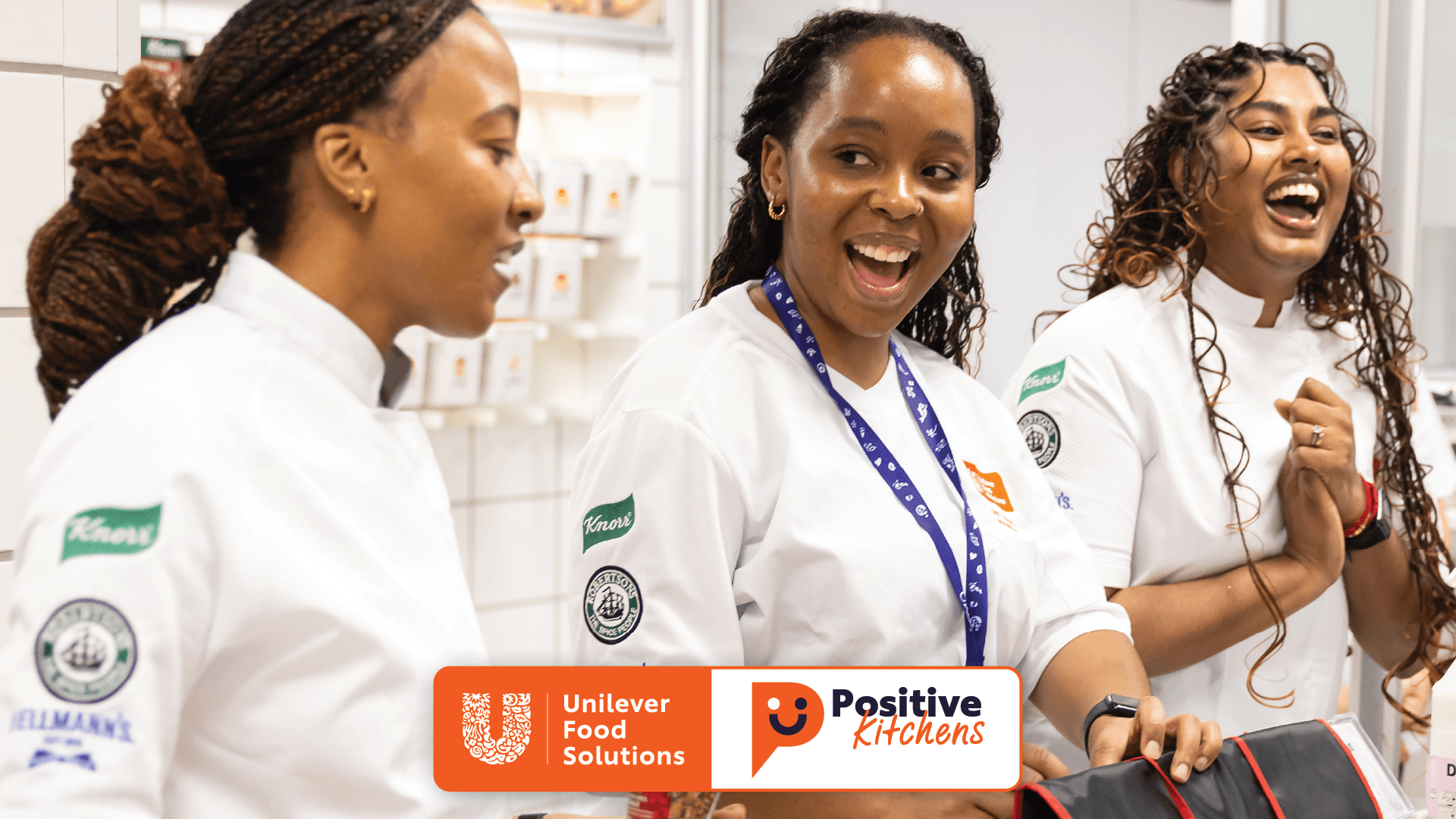
A professional kitchen runs on more than skill, speed and great ingredients. What makes service smooth is a team that trusts one another, communicates clearly and knows that respect does not disappear when the pressure rises.
Yet, hospitality has long romanticised the opposite: punishing hours, relentless intensity and a ‘toughen up’ mentality. Chefs spend long hours creating memorable experiences for others, often while putting their own wellbeing last. In fast-paced environments shaped by physical demands, staff shortages, cost pressures, late nights and high-performance expectations, that personal cost can quickly add up. When bullying, intimidation or silence are added to that mix, the strain can become unsustainable.
Positive Kitchens, formerly known as Fair Kitchens, is a global movement driven by Unilever Food Solutions (UFS) to help create a healthier, more positive culture within the foodservice industry.
Through practical tools, training and resources, the movement supports chefs, kitchen leaders and foodservice businesses in creating workplaces where people feel respected, supported and able to thrive.
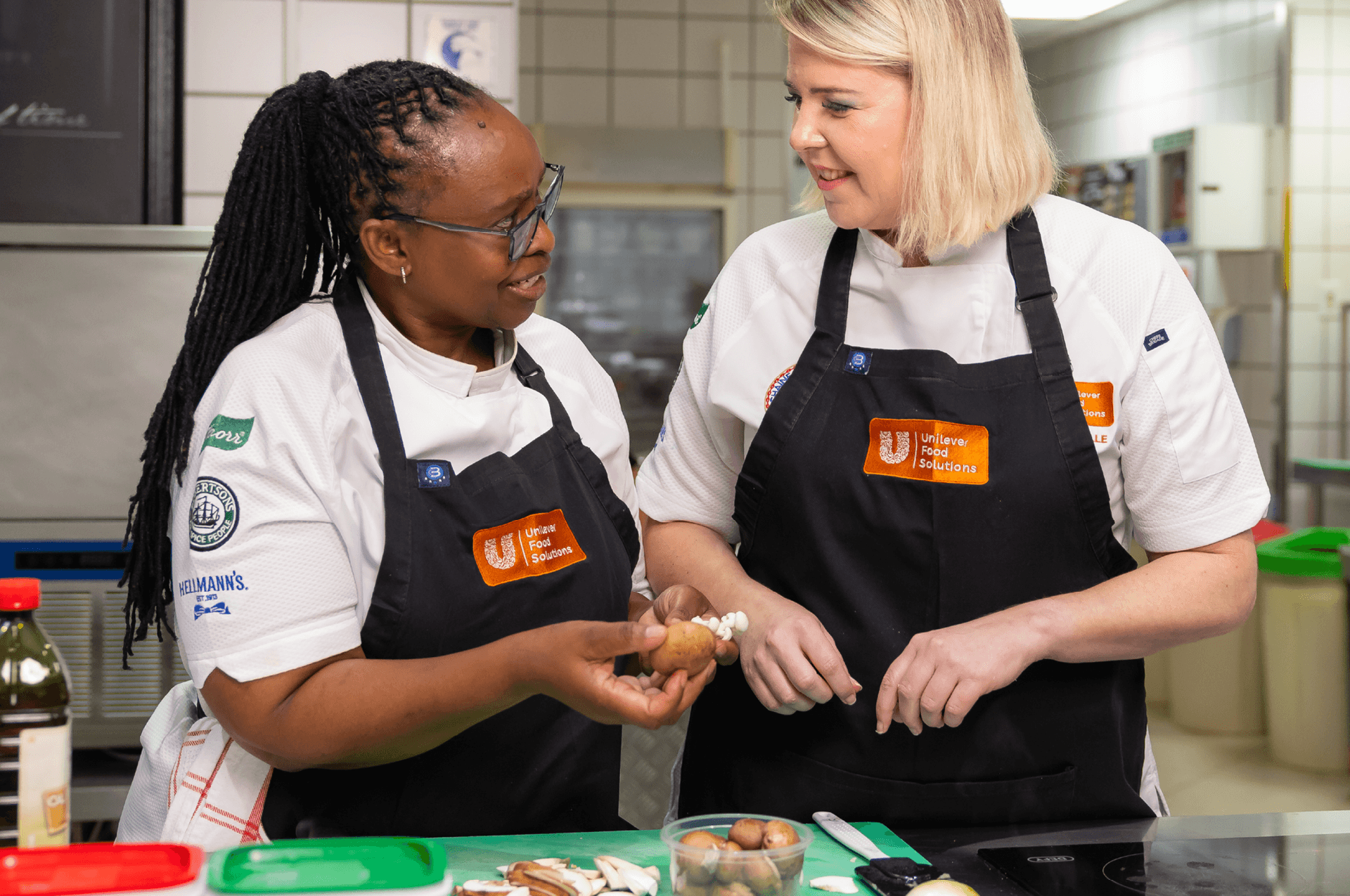
Pressure is part of the job. Harm should not be.
A busy service will always demand focus, stamina and quick decisions. Positive Kitchens does not pretend that professional kitchens can be pressure-free. Instead, it asks the industry to draw a clearer line between healthy pressure and harmful behaviour.
Shouting, humiliation, exclusion and chronic overwork should not be treated as rites of passage. These behaviours can erode confidence, worsen stress and anxiety, and drive talented people away from the industry. They also affect the kitchen itself. When team members are afraid to speak up, communication suffers, mistakes are hidden and collaboration breaks down.
Good culture is therefore not a ‘soft’ extra – it is part of running a strong operation. People who feel respected are better able to ask questions, share ideas, learn from errors and support one another through demanding shifts. Over time, that can contribute to a more stable, engaged team and a more consistent guest experience.
What does a Positive Kitchen look like?
Culture is built in everyday moments: how a new team member is welcomed, how feedback is delivered, whether breaks are respected, and what happens after something goes wrong. At the heart of Positive Kitchens are five simple principles that kitchen leaders and teams can put into practice every day:
- Talk openly and make it safe to raise concerns
- Act as one team rather than rewarding fear or ego
- Keep people connected to the passion that brought them into hospitality
- Make time for rest, development and genuine check-ins
- Recognise good work and celebrate effort
None of these actions requires a dramatic policy overhaul. A more positive culture can begin with a calmer briefing, constructive feedback, a proper break or a manager asking, ‘How are you really doing?’ The important part is consistency, and leadership that models the behaviour it expects from everyone else.
You don’t have to deal with it alone
Culture change takes collective effort, but no one should have to manage a mental health crisis alone. UFS works with the South African Depression and Anxiety Group (SADAG) to provide a dedicated, free and confidential helpline for foodservice professionals in South Africa.
If you are struggling, feeling overwhelmed or simply need someone to talk to, call the UFS Chefs Helpline on 0800 006 333. The service is available 24 hours a day, and callers do not need to give their names.
A better industry is built shift by shift, conversation by conversation. By making care, respect and teamwork part of the way kitchens operate, Positive Kitchens reminds us that people should not have to break in order to succeed.
Visit our website for more information and resources on Positive Kitchens.


0 Comments