
For most restaurants, visibility isn’t the biggest challenge – it’s relevance.
It’s easier than ever to get your restaurant in front of people. Social media, paid ads, Google listings – the channels are all within reach. But visibility doesn’t automatically translate into bookings. If your marketing isn’t reaching people who are likely to dine with you, even the best-looking campaign will underperform.
Not every diner is your diner
Every restaurant has an organic target audience, shaped by its pricing, menu, location, and overall experience. When marketing ignores this reality and tries to appeal to everyone at once, it can lead to mixed messaging.
A casual restaurant with a laid-back vibe that markets itself too formally, for instance, can quickly feel unapproachable and alienate potential diners. When your marketing aligns with the right audience, your message lands clearer, your visuals feel more intentional, and your conversions improve – because expectations match reality.
At the end of the day, good marketing is about finding the right fit, not so much about chasing volume and scale.
The best case scenario isn’t to reach a thousand people who are uninterested in what you have to offer; rather, to reach ten people who are highly likely to walk through your doors.
Start with your ideal diner
Before you touch a budget or pick a platform, get specific about who you’re actually trying to reach. Not just age and gender – think behaviour, intent, and occasion.
Ask yourself three questions:
- Do they have the spending habits to match your offering? If your average cover is R450+ per person, you need an audience with disposable income. Targeting broadly might get you clicks, but it won’t get you bookings.
- Do they take action online? There’s a difference between someone who finds you on Instagram and someone who actually follows through and makes a booking. People who are already in the habit of making reservations or transactions online require far less convincing. They’ve already cleared the biggest hurdle.
- Are they local, tourist, or passing through? A local diner can book you for next Thursday, but a tourist needs to fit you into a packed itinerary. Someone passing through your city or town has even less time to make a decision. Each requires a completely different message and level of urgency.
The audience with the lowest barrier to entry
Most restaurants need a mix of regulars and first-timers. Regulars are about retention – making them feel valued every time they visit. First-timers are a heavier lift because you’re asking someone to take a chance and spend bucks on an experience that hasn’t proved itself yet.
So, when you’re working with a limited budget, start where the friction is lowest: people nearby who already make online bookings regularly. They don’t need to be convinced of booking online or drive across town to justify trying something new – they just need a good enough reason to choose you over the place down the road.
This is exactly where Dineplan diner audience comes in
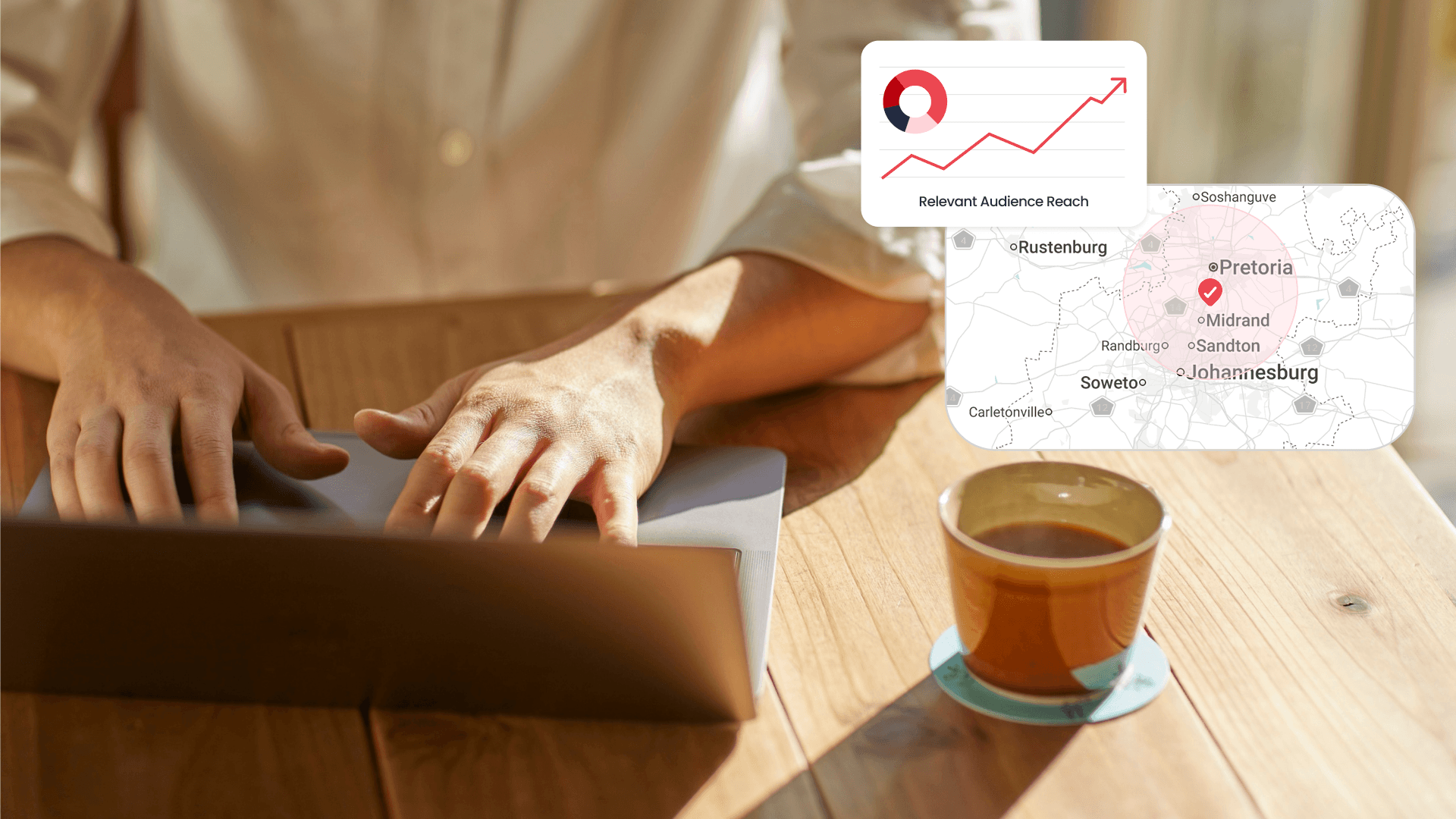
Dineplan’s audience of over 600,000+ users is already doing what most restaurants spend their entire marketing budget trying to get people to do. They’re actively searching for restaurants and making online bookings – the intent is already established.
When you market to Dineplan diners in your area, you’re not trying to build a new habit. You’re showing up in front of people who are already looking for a dining experience, open to trying somewhere new, and ready to commit to making an online booking.
For a restaurant trying to get more awareness amongst active diners and drive bookings without wasting budget, this is the smartest place to start. Lowest barrier. Highest intent. Start with this audience, prove what works, and then expand from there.
Too busy for paid media? We’ve got you.
Our team works with restaurants nationwide and knows how diners think. Leave the admin of ads to us so you can focus on what you do best: Serving great food.

0 Comments